🏛️ The Context: India’s Food Security & Ration System
India’s Public Distribution System (PDS) under the National Food Security Act (NFSA) guarantees subsidized food grains to eligible households. Priority Household (PHH) cards entitle each family member to 5 kg per month; Antyodaya Anna Yojana (AAY) cards offer 35 kg per household. Modern reforms include Aadhaar‐based authentication, e‑KYC, and One Nation One Ration Card portability to reduce fraud and ensure portability .
Despite improvements, challenges such as diversion of grains and misuse persist—especially when beneficiaries sell extra rice in local markets. In Karnataka, the government has taken a novel step to address these problems through a food‑kit scheme.
📦 The Indira Food Kit: What Is It?
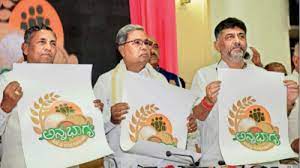
In June 2025, Karnataka’s government proposed the “Indira Food Kit” for all Priority (PHH) ration cardholders under the Anna Bhagya scheme. The proposed kits include:
- 1 kg sugar
- 1 kg salt
- 1 kg toor dal (pigeon peas)
- 1 liter cooking oil
- 2 kg wheat grain
- 100 g tea powder
- 50 g coffee powder
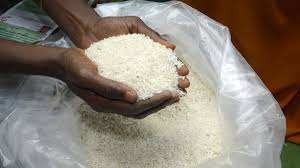
Crucially, these kits are set to replace the extra 5 kg rice previously supplied by the state to curb its diversion in the black market .
✅ Eligibility & Distribution
Eligibility criteria mirror existing ration benefits:
- Only PHH ration card holders qualify
- Special priority for vulnerable groups: widows, elderly single women, daily wage laborers
- Household must be enrolled in the Anna Bhagya program
- Kits distributed free at designated ration shops or PDS centers; delivery is cost‑free
Distribution is expected to begin from early July 2025, with SMS notifications sent to beneficiaries when kits are ready for pickup .
🎯 Why Karnataka Pivoted to Indira Kits
🛡️ Addressing Food Diversion
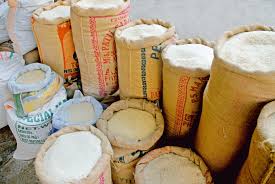
Prior reports indicated some beneficiaries were selling excess rice in the market, claiming it was more profitable than using it. By providing varied essentials instead of rice, the state hopes to boost nutritional intake while reducing black market leakage .
📈 Nutritional Diversification
Rice alone offers primarily calories. The kit’s inclusion of pulses, wheat, oil, sugar, and tea/coffee provides a more balanced food basket—supporting proteins, fats, carbohydrates, and micronutrients.
🧾 Rationalizing Expenditure
As per government estimates, rice provisioning cost ₹25.50/kg (including transport), totaling ₹573 crore per month and ₹6,876 crore annually. Switching to the kit aims to optimize resource allocation and reduce wastage .
🔍 Comparing with Indira Rasoi / Rasoi Schemes in Rajasthan
While Karnataka focuses on a ration‑kit model, Rajasthan—along with states like Tamil Nadu, Karnataka, Jharkhand, Odisha—runs subsidized community kitchens.
Rajasthan’s Indira Rasoi, launched in August 2020, offered meals at ₹8 per plate (valued at ~₹25). The state covered ₹17 per meal subsidy. With over 1,000 kitchens, the program expanded from urban to rural areas by 2023 and served hundreds of millions of meals till now .
Menu in Rajasthan typically includes 100 g dal, 100 g vegetables, 6 chapatis, and pickles. Kitchens operate at bus terminals, hospitals, markets, and are often run by NGOs, SHGs, or volunteers, with real‑time digital monitoring, CCTV, and digital couponing systems .
While both schemes serve the food‑insecure, Indira Rasoi ensures cooked meals while Indira Food Kit offers raw essentials for beneficiaries to cook at home—a fundamental difference in approach.
💡 Benefits & Potential Impact
- Reduced Rice Diversion: Kits are less likely to be monetized or resold, addressing a recurring misuse issue.
- Improved Nutrition: Inclusion of pulses, grains, oil, sugar offers a more diversified diet.
- Cost Optimization: May lower rice‑subsidy burdens while enhancing efficiency.
- Targeted Support: Focuses on vulnerable groups and provides dignity through home‑based access.
⚠️ Challenges & Considerations
- Cooking Infrastructure: Beneficiaries must have access to fuel/stove to prepare meals.
- Cultural Preferences: Replacing rice with wheat may not align with dietary habits in rice‑dominated regions.
- Storage & Distribution Logistics: Managing varied kit items may complicate logistics compared to bulk rice distribution.
- Monitoring & Leakages: While rice diversion may decrease, proper indexing and oversight remain essential to prevent other forms of misuse.
🧾 Broader Policy Reflections
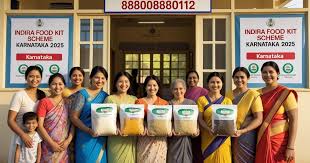
India’s food‑security architecture—featuring PDS, midday meals, community kitchens—is evolving. State innovations, such as Rajasthan’s Indira Rasoi and Karnataka’s Indira Kit, reflect localized responses to enduring challenges.
Economist Jean Dreze has called such efforts “democratic in nature”, requiring consistent political commitment for long-term viability . Meanwhile, Kerala’s discussion around DBT transfers vs. PDS distribution highlights a broader debate—between digital cash transfers and in-kind provisioning for transparency and inclusion .
🧩 Final Thoughts
The Indira Kit initiative marks a significant shift in Karnataka’s food support strategy—balancing nutritional diversity, reduced diversion, and optimized resource use. As beneficiaries pick up essential food kits rather than plain rice, the government aims to ensure every meal serves both caloric and micronutrient needs.
If implemented effectively, the scheme could become a replicable model for other states facing similar leakage and nutrition challenges. However, success depends on efficient rollout, strong monitoring, cultural acceptance, and enabling conditions for cooking at home.