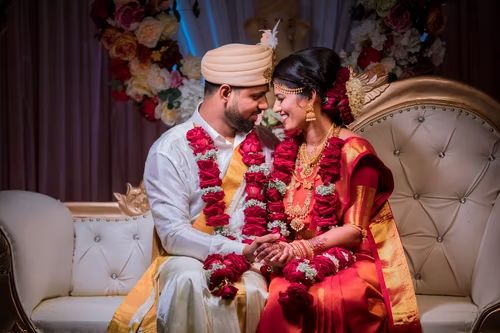
Marriages are joyous, but also costly. Many families—especially from economically weak sections—face burdens of dowry, ceremony expenses, education lapses, or social prejudices. Indian states have initiated targeted marriage assistance schemes to ease this burden and address social issues such as child marriage, caste inequality, widow remarriage, and minority inclusion.
State Schemes at a Glance: Who Gets What?
Telangana – Kalyana Lakshmi & Shaadi Mubarak
Launched in October 2014, the Kalyana Lakshmi scheme offers ₹1,00,116 to economically disadvantaged brides from SC/ST/BC/EBC categories to meet wedding costs. The parallel Shaadi Mubarak scheme extends ₹51,000 to Muslim brides under similar income criteria (parents’ income ≤ ₹2 lakh)
Uttar Pradesh – Mukhyamantri Samuhik Vivah Yojana
UP administers mass weddings under this scheme, now offering ₹1 lakh per couple. ₹60,000 is transferred to the bride’s account, ₹25,000 for gifts, and ₹15,000 for ceremony costs. Income eligibility has recently risen from ₹2 lakh to ₹3 lakh/year; biometric verification will be required from October 2025
Haryana – Inter‑Caste Marriage Incentive
The Mukhyamantri Samajik Samrasta Antarjatiya Vivah Shagun Yojana promotes inter‑caste marriages (one spouse from SC, the other non‑SC), giving ₹2.5 lakh. Half is paid immediately, the rest as a 3‑year fixed deposit. The scheme applies only to first marriages, with applications allowed within three years of marriage
Karnataka – Multiple Assistance Lines

- SC Marriage Assistance: ₹50,000 to SC couples, income limit ₹2 lakh/year, application within one year of marriage
- ST Marriage Assistance: ₹50,000 for ST couples under similar conditions
- Shaadi Bhagya Scheme: ₹50,000 aid to Muslim or minority brides (income ≤ ₹1.5 lakh). Widows/divorcees re‑marrying are eligible too
Madhya Pradesh – Widow & Disabled Marriage Assistance
The Chief Minister Kalyani Scheme provides ₹2 lakh for widow remarriages. Another scheme gives ₹2 lakh if one partner is disabled (≥40 %), or ₹1 lakh if both are disabled; income and tax‑paying restrictions apply . Why Wedding Assistance Schemes Matter
Jammu & Kashmir – Poor Girls’ Marriage Assistance
Eligible girls (≥18 years, AAY or priority ration card holders, 8th pass) receive ₹50,000. Passing 8th standard became mandatory starting April 2025. Applicants must apply at least a month before marriage
Tamil Nadu – Specialized Assistance Programs

Tamil Nadu runs five schemes for daughters of poor families:
- Poor girls, orphan girls, widows’ daughters, widow remarriages, and inter‑caste couples.
Benefits vary—cash ranging ₹25,000 to ₹50,000, sometimes along with 8-gram gold coins—depending on educational level (10th pass vs. graduate)
📊 What’s New: Recent Updates & Scale
- Odisha is expanding the Mukhya Mantri Kanya Bibaha Yojana to include widow remarriage, with ₹12 crore allocation in FY 2025‑26. The scheme now supports inter‑caste weddings, differently‑abled people, and construction workers, and encourages community weddings and government gifts
- Uttar Pradesh’s OBC marriage aid scheme provided ₹20,000 to OBC brides and saw beneficiaries grow from ~55,000 in FY 2023‑24 to ~100,000 in FY 2024‑25, thanks to expanded income eligibility (now up to ₹1 lakh/year).
- In UP, biometric Aadhaar-based verification for mass wedding schemes (starting October 2025) aims to curb fraud and streamline beneficiary identification; gift items have increased from 14 to 24 essentials like cookware and mattresses
💡 Reflections: Themes & Impact
- Equality & Social Integration: Inter‑caste grants (Haryana, Odisha, etc.) directly promote communal harmony and normalize cross‑caste pairing.
- Pro‑girls & Anti‑child‑marriage: Several state schemes enforce minimum age rules (≥18) and educational requirements to delay marriages and encourage schooling.
- Inclusive targeting: Some schemes (Tamil Nadu, MP) are inclusive of widows, orphans, or disabled bridal candidates—allowing for dignified remarriage.
- Growing scale, tougher verification: Increasing uptake prompts stricter measures like Aadhaar, income caps, and biometric checks for transparency.
📝 Quick Comparison Table
| State | Programme Name | Benefit (₹) | Focus Group |
|---|---|---|---|
| Telangana | Kalyana Lakshmi / Shaadi Mubarak | ₹1,00,116 / ₹51,000 | Poor SC/ST/BC/minority brides |
| Uttar Pradesh | Samuhik Vivah Yojana | ₹1,00,000 per couple | Underprivileged families |
| Haryana | Inter‑Caste Vivah Shagun Yojana | ₹2,50,000 | Inter‑caste married couples |
| Karnataka | SC/ST Marriage Schemes; Shaadi Bhagya | ₹50,000 each | SC/ST couples; minority women |
| Madhya Pradesh | Widow/Disabled Marriage Assistance | ₹1‑2 lakh | Widows or disabled persons |
| J&K | State Marriage Assistance | ₹50,000 | Poor unmarried girls |
| Tamil Nadu | Multiple female‑oriented schemes | ₹25k‑₹50k + gold | Poor, orphan, widow’s daughters, inter‑caste |
💬 Final Thoughts
These marriage assistance programmes are doing more than easing financial burden—they’ve become tools for social justice, gender empowerment, and communal harmony. By weaving together financial aid, educational incentives, and inclusive eligibility, governments are seeking to reshape social customs around marriage.