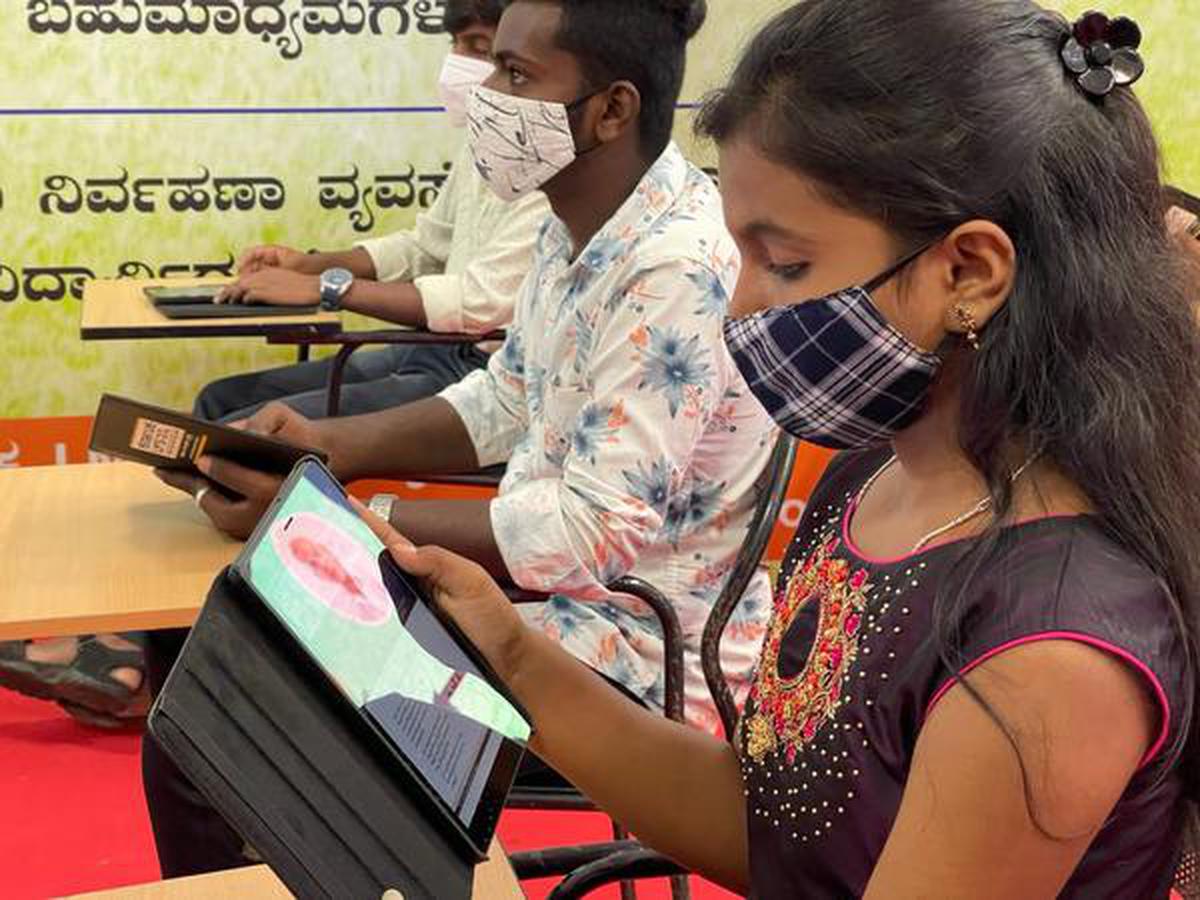
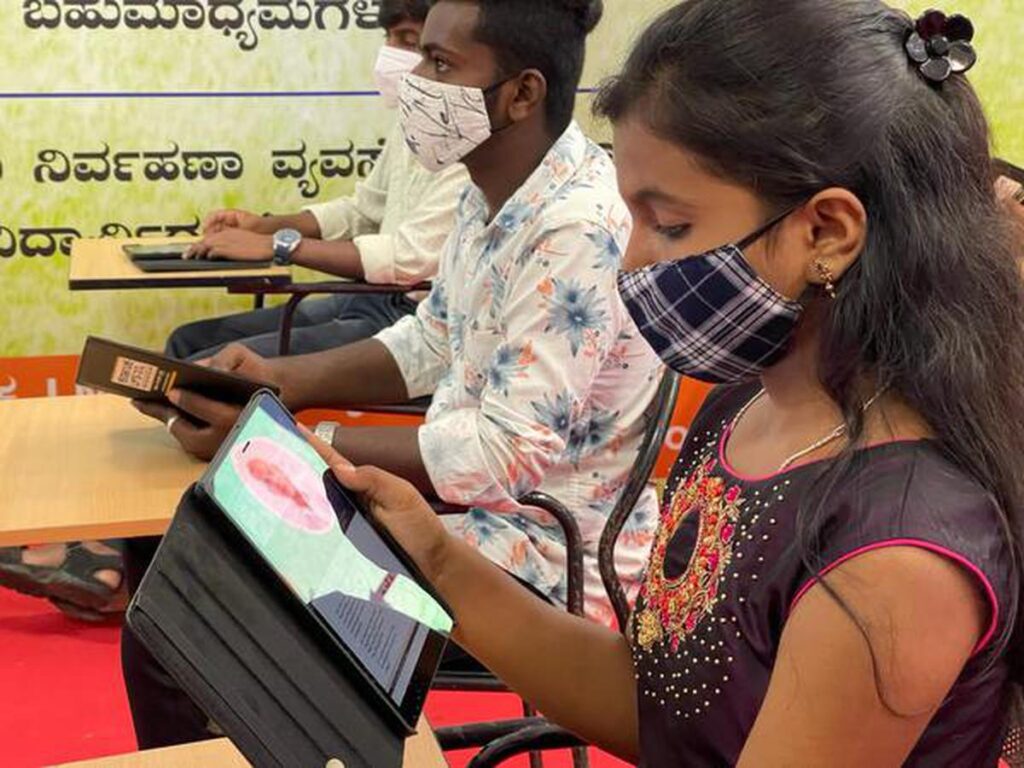
In an increasingly digital world, access to technology is a lifeline to education—especially for students in rural or underserved communities. Here’s how various government initiatives are keeping up with that need.
India: State-Level Tablet Initiatives
- Haryana (2022–2025)
Starting May 2022, the Haryana government rolled out a massive program—e‑Learning – Advance Digital Haryana Initiative of Government with Adaptive Modules—to provide up to 500,000 loaded with educational content and 2 GB of free daily internet to students in Classes 10 to 12. However, as of May 25, 2025, the free internet provision was discontinued due to budget constraints and concerns over device misuse, though remain in use - Rajasthan (2025)
The Free Yojana 2025 targets academic toppers: the top 9,300 students in each of Classes 8, 10, and 12 will receive smarts with three years of free internet connectivity—around 93,000 devices in total. Merit alone decides eligibility, no application required - West Bengal (2020 onward)
Launched amidst the pandemic, this scheme promises to provide approximately 950,000 tablets or mobile devices to Class 12 students from government, aided, and madrasa schools—particularly those with family income under ₹200,000/year - Other State Initiatives
- Uttarakhand: Announced in August 2021, students in Classes 10 and 12 were set to receive free
- Jharkhand: Through Project Gyanodaya, nearly 43,977 were distributed to students in state-run schools during COVID‑19 to support remote learning .
- Beware of Fake Central Schemes
A fraudulent “Free Smart Scheme 2024–25” has circulated widely. There is no official announcement from any central government body, government websites, or reputable news sources confirming such a national scheme
International Programs
- Uruguay – Ceibal Project
Since 2007, Uruguay’s Ceibal initiative has distributed over 450,000 laptops (called “Ceibalitas”) to students and teachers in public schools, Tab coupled with free internet. Its success rests on comprehensive teacher training, content development, and community involvement - Turkey – FATİH Project
Launched in 2010, this ambitious program distributed tablet computers to 17 million students and 620,000 smart boards to state schools. Each device came preloaded with e‑books and educational content, with strict access control based on approved websites - USA – Maine Learning Technology Initiative
Starting in 2002, the MLTI aimed to put laptops or iPads in the hands of all public school students in grades 7–12. A crucial factor in its success was the emphasis on professional development for educators alongside device distribution
Final Thoughts
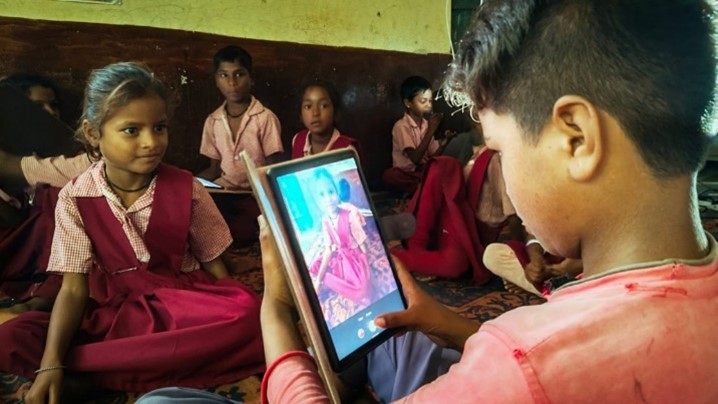
Government tablet programs have emerged worldwide Tab as powerful tools to reduce the digital divide. Success lies not just in handing out devices, but also in ensuring internet access, content quality, tech support, and educator empowerment.