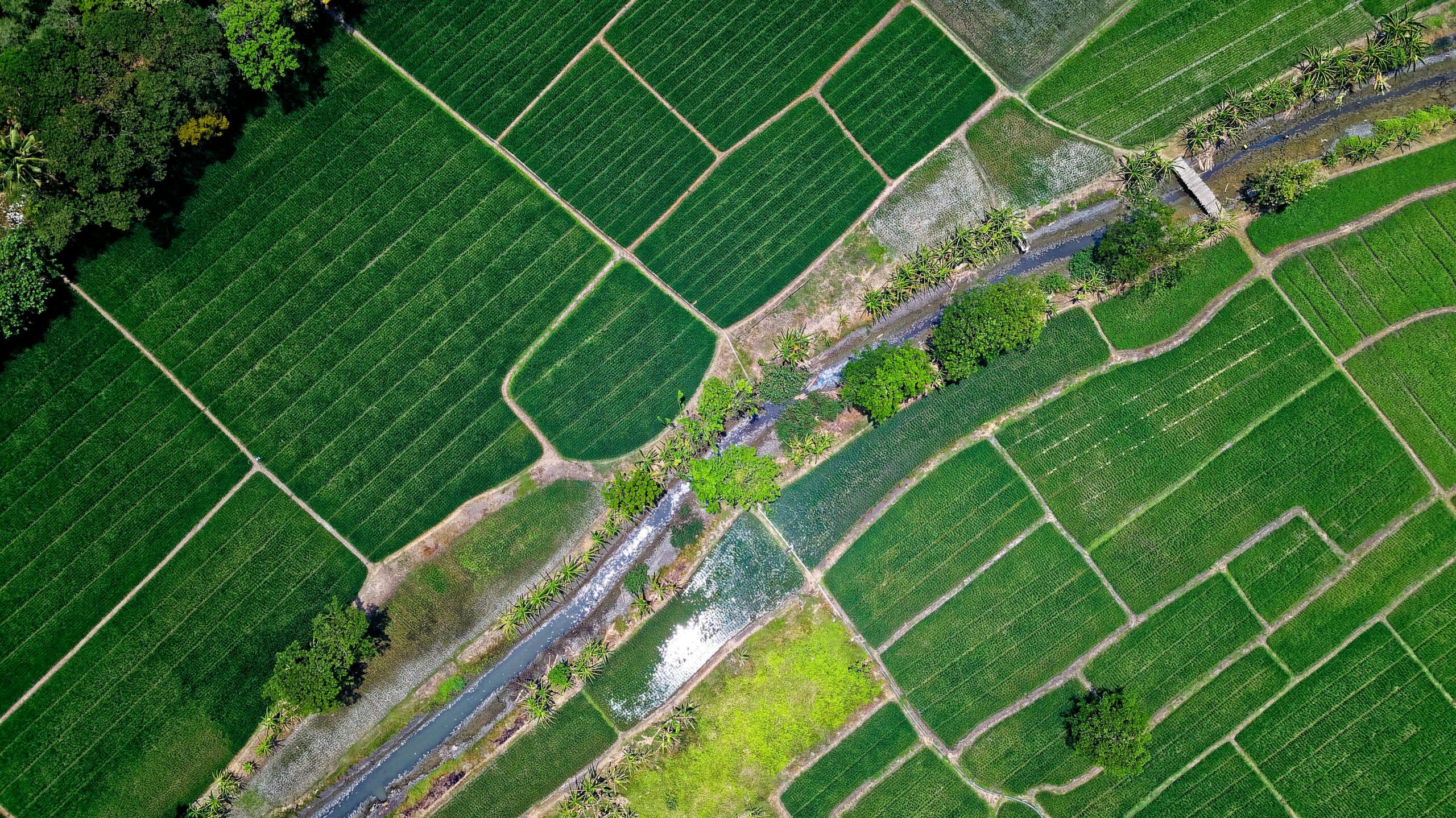

Small towns—particularly in the Midwest and rural areas—are offering residential or commercial lots at zero cost. The catch? Recipients must build homes or businesses within a set timeframe, pay utilities and taxes, and often deposit a refundable fee as assurance “Free Land” Movement?
Why towns do this:
- Reversing population decline.
- Attracting investment and creating jobs.
- Sustaining local schools, shops, and services
🎯 Notable Programs in the U.S.
Here are standout examples:
| Town | Offer Details |
|---|---|
| Curtis, Nebraska | Free plots via Medicine Valley Economic Development—must build home on schedule; families get bonus cash for enrolling kids in local schools |
| Lincoln & Plainville, Kansas | Free residential lots near community basics—parks, schools; $500 refundable deposit; build within 12–18 months |
| Loup City, Nebraska | Free home sites with basic infrastructure; down-payment grants up to $20K; minimum home size and build deadline apply “Free Land” Movement? |
| Marquette & Marne, Iowa/Kansas | Free lots with utility hookups; build within one year; minimum home size (≈1,200 sq ft |
| Flagler, Colorado & La Villa, Texas | Free commercial or residential plots to jump-start development; employment-based conditions or five-year lease back clause |
| Beatrice, Nebraska | Modern homesteading: free land under conditions (build, occupy); possible grants help low-income applicants |
🌍 Outside the U.S.
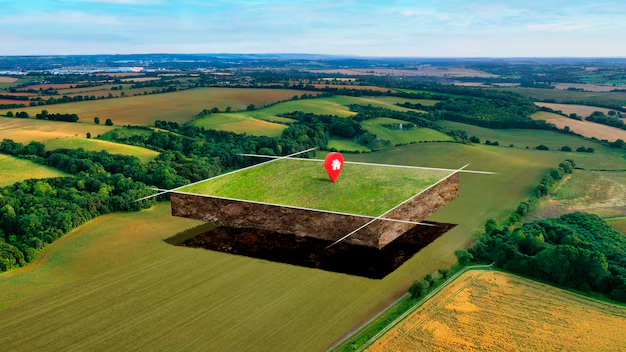
- Russia’s Far Eastern Hectare: Russian citizens (and foreigners after 5 years) can claim 1 hectare in the Far East if they live and develop it for five years
- Australia (Quilpie, Queensland): Grants of ~A$12,500 to builders—high global interest, even from as far as India!
- Canada (Yukon): Agricultural lease program available to citizens/permanent residents planning soil-based farming “Free Land” Movement?
✅ Is It Worth It? Pros & Cons
✔️ Benefits
- Affordable entry to land ownership – eliminate realtor fees and lot costs.
- Upfront community support – utilities and permits pre-installed
- Revived small-town living – closer-knit communities, less traffic, back-to-nature lifestyle.
⚠️ Drawbacks
- Must build fast – tight timelines (often within 12–18 months).
- Limited local jobs – rural job markets can be weak
- Hidden costs – deposits, utilities, road fees, property taxes still apply.
- Zoning constraints – type, size, and style of homes may be restricted.
🧭 Tips for Aspiring Settlers
- Research every program thoroughly – check building specs, timelines, deposits, school/demographic incentives.
- Visit and live like a local – uncover job availability, amenities, internet service quality.
- Crunch your numbers – factor in building costs, utilities, taxes, commute expenses.
- Connect with locals – scope out community character and readiness to embrace newcomers.
🌟 Final Thoughts
Free land programs aren’t a loophole—they’re intentional community builders. With some planning, these offers can lead to a fulfilling, affordable new life in a vibrant small-town setting. “Free Land” Movement?