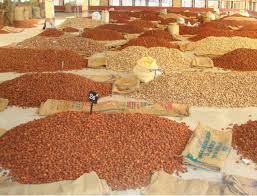
- Karnataka contributes over 60 percent of India’s areca nut production and dominates global output .
- Despite being highly profitable—fetching as much as ₹ 50,000–80,000 per 100 kg in Malnad markets—the crop is vulnerable to yellow leaf disease and fruit rot, which have affected up to 40% of farms in regions like Shivamogga during 2024–25, slashing yields by over 90% in severely affected plots .
- Areca is also water-intensive: a one-acre plantation needs ~15 litres of water per tree daily for six months—far exceeding groundwater recharge in semi-arid areas.
2. Drip Irrigation Subsidy: From PMKSY to State Leaps
✦ a) Central Support under PMKSY
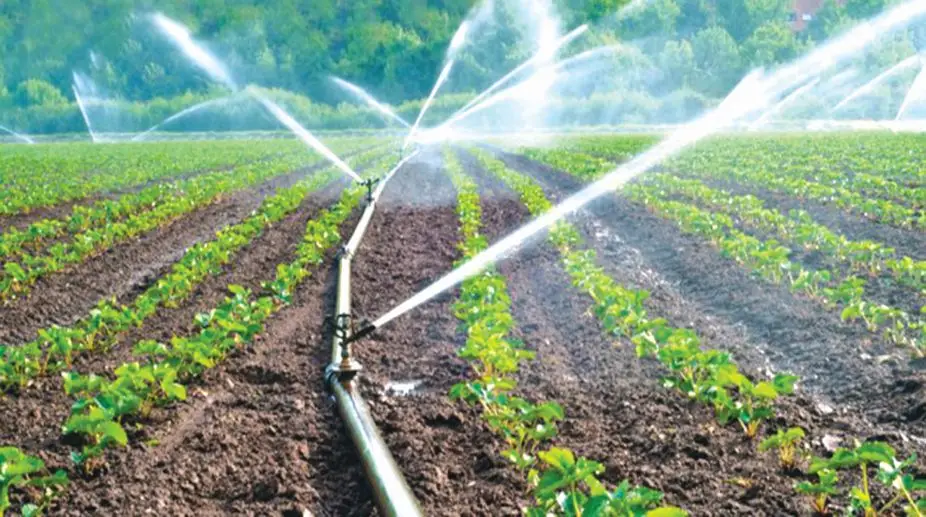
- In 2016, the Agriculture Ministry updated its policy to include areca under PM Krishi Sinchai Yojana, making growers (up to 5 ha) eligible for micro-irrigation subsidies (drip/sprinkler).
✦ b) State-Level Push (2023–2025)
- In March 2023, CM Basavaraj Bommai announced that the areca crop would receive 75 percent subsidy for drip systems under horticulture schemes (90 percent for SC/ST), covering expenses earlier limited to other plantation crops
- Building on that, Karnataka launched a dedicated Areca Nut Plantation Subsidy Scheme 2025, administered by the Department of Horticulture and KVKs/FPOs .
3. Karnataka’s 2025 Areca Nut Subsidy Scheme: Highlights & How It Works
The 2025 scheme aims to make areca cultivation more resilient and sustainable:
| Feature | Details |
|---|---|
| Target beneficiaries | Small & marginal farmers, SC/ST, new growers (saplings ≤2 years), agro-parkers in Karnataka |
| Support cap | Up to ₹ 2 lakhs per farmer for first 5 acres (~₹ 40,000/acre) |
| Covered costs | Improved varieties, drip setup, organic inputs, shade structures, soil mulching, biofungicides |
| Application window (2025) | April–July; inspections within 30–45 days; payouts Aug–Oct |
| Documents required | Aadhaar, land title/RTC, bank proof, caste certificate (if applicable); geo-tagged plantation photos may be required |
| How to apply | Online via or Seva Sindhu; or visit the local horticulture office |
Additional workshops and field training are provided in collaboration with horticulture universities.
4. ₹ 6,000/ha Compensation for Disease Loss — The 2025 Relief Move

In March 2025, the Karnataka government announced a rapid relief package for growers affected by leaf-spot and fungal diseases:
- ₹ 4,000 per hectare toward plant protection medicines, capped at 1.5 ha per farmer (i.e. up to ₹ 6,000/person).
- Implemented for 6,250 hectares, benefiting over 12,300 farmers, with budgetary allocation of ₹ 2.5 crores in FY 2023–24
However, given rising input costs, farmers are still awaiting clarity on whether per-hectare rates will increase in 2025–26 under new directives
5. Why Government Support Matters—And What’s Next

- Crop volatility: With quality issues leading to load rejections in north Indian markets, growers lost ₹ 10,000/quintal as early as 2024; protests and demand for federal compensation followed suit
- Need for stewardship: Experts urge growers to evolve beyond low-value bulk sales—processing husks, value-added products like areca leaf fibre goods can insulate income during price crashes
- Sustainability push: Improved cultivars, drip systems, and organic pest control are key to reducing water use and chemical exposure—especially in over-exploited groundwater regions
6. Quick Guide: What Small Growers Should Do in 2025
- Visit or contact your nearest Village Agriculture Extension Officer or Horticulture Department.
- Collect & submit application (physical or Seva Sindhu). Submit before July 2025 deadline.
- Participate in field training on disease detection and drip installation.
- Apply for relief compensation if your plantation was hit by yellow/disease during 2024–25.
- Join a local FPO or cooperative (e.g. CAMPCO) to explore value sale or small‐scale processing options.
- Use official helplines: 1800‑425‑3553 (Horticulture Dept), or Seva Sindhu support lines.
Closing Thoughts
The Karnataka Areca Nut Subsidy Scheme 2025, along with compensation grants and drip irrigation coverage, signifies a pragmatic shift toward climate‑smart, disease‑resilient, and inclusive areca cultivation. Yet challenges like unstable pricing and crop diseases remain. To truly thrive, growers would benefit from integrating post-harvest value addition, co-op marketing, and sustainable farming practices.
If you’re a grower, or know one: harvest the benefits before the July window closes. Stay disease-aware, and remember: the government is now supporting not just the crop—but the culture of farming with care.